Insights & AI Analysis
CONNECT . PLAY . UNITE
-
I Control the Game With a 4-Phase Decision System

I don’t rely on instinct alone when I play. I follow a structured decision system that helps me stay in control regardless of pressure, pace, or unpredictability. Every action I take falls into one of four phases: scan, stabilize, execute, or reset. This system allows me to reduce mistakes, improve timing, and consistently create advantages…
-
I Made My Chess Decisions Smarter Instantly
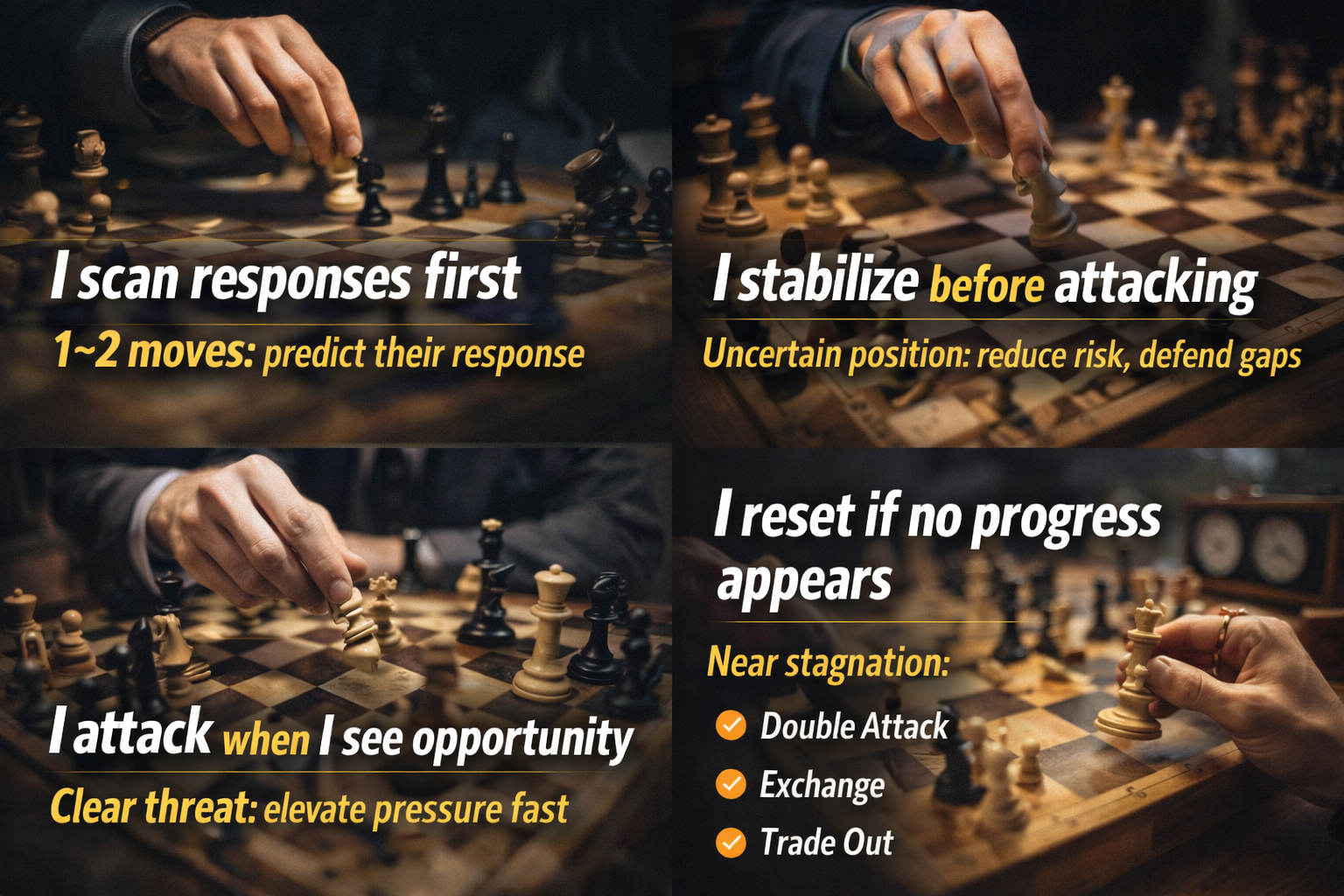
I approach every position with a structured system that keeps my decisions consistent and measurable. I begin every turn with a scan phase that lasts about 5–10 seconds. During this time, I evaluate 2–3 candidate moves and predict at least one response for each. I check for immediate threats first—checks, captures, and attacks—before thinking about…
-
I Fixed My Game With This Simple Rule
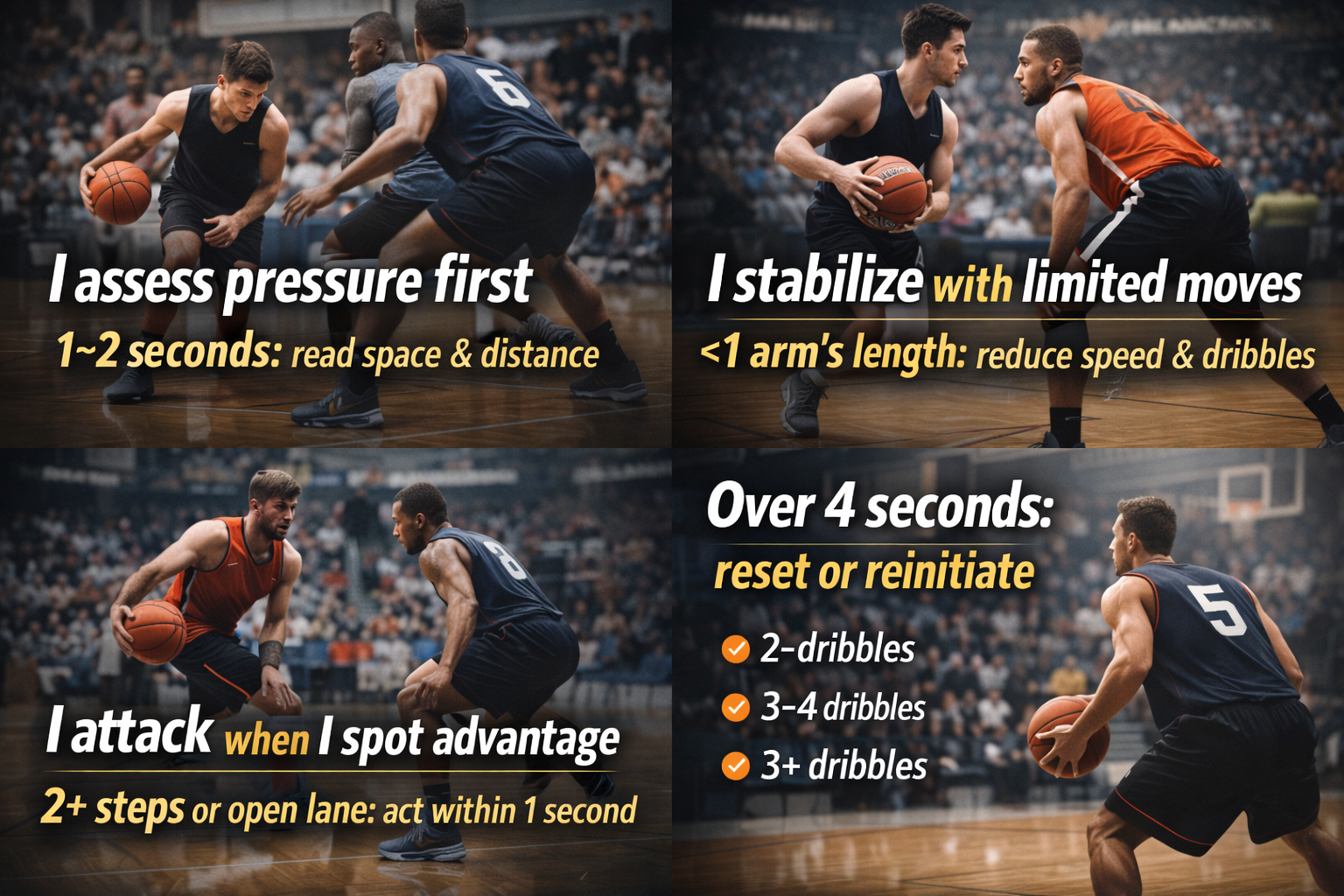
I structure my play around controlled decision zones, using clear thresholds to decide how I move and attack. First, I assess defensive pressure within the first 1–2 seconds of receiving the ball. If I have less than one arm’s length of space (tight pressure), I immediately reduce my dribble height and operate at about 60–70%…
-
I Changed My Playstyle and Everything Improved
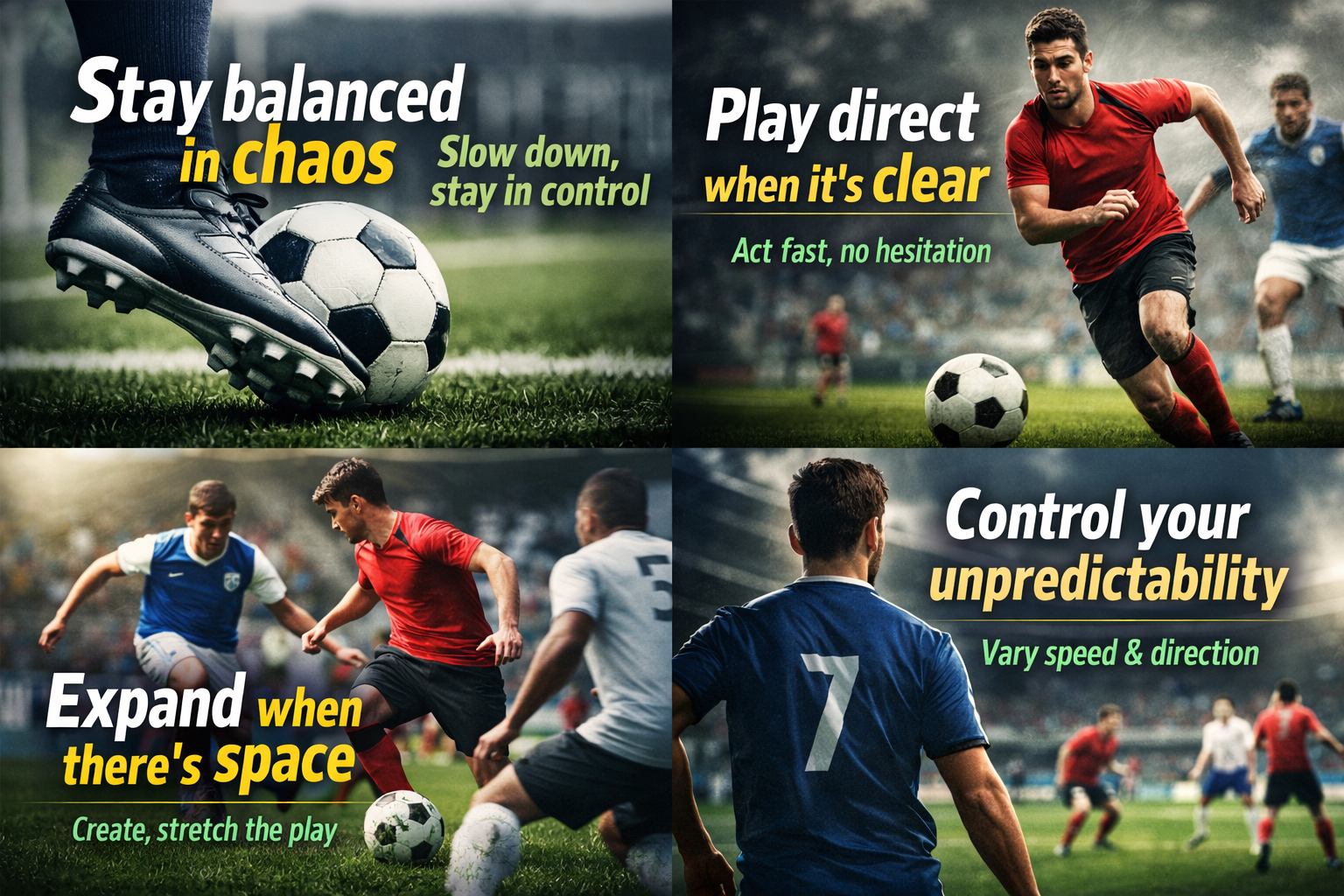
I stay centered first. When the play gets chaotic—deflections, pressure, noise—I deliberately slow my tempo just enough to keep control. I take smaller touches, keep the ball close, and avoid forcing anything. My priority in those moments is stability, not speed. When the situation is clear, I switch instantly. I play direct, move early, and…
-
What If the Wrong Move Wins the Game

I used to think chess was about always finding the best move. Every position felt like a test with one correct answer, and my job was to calculate it perfectly. But the more I played, the more I realized something strange—some of my best wins came from moves that weren’t “perfect” at all. Sometimes, I…
-
The Competitive Edge Redefining Basketball Player Development
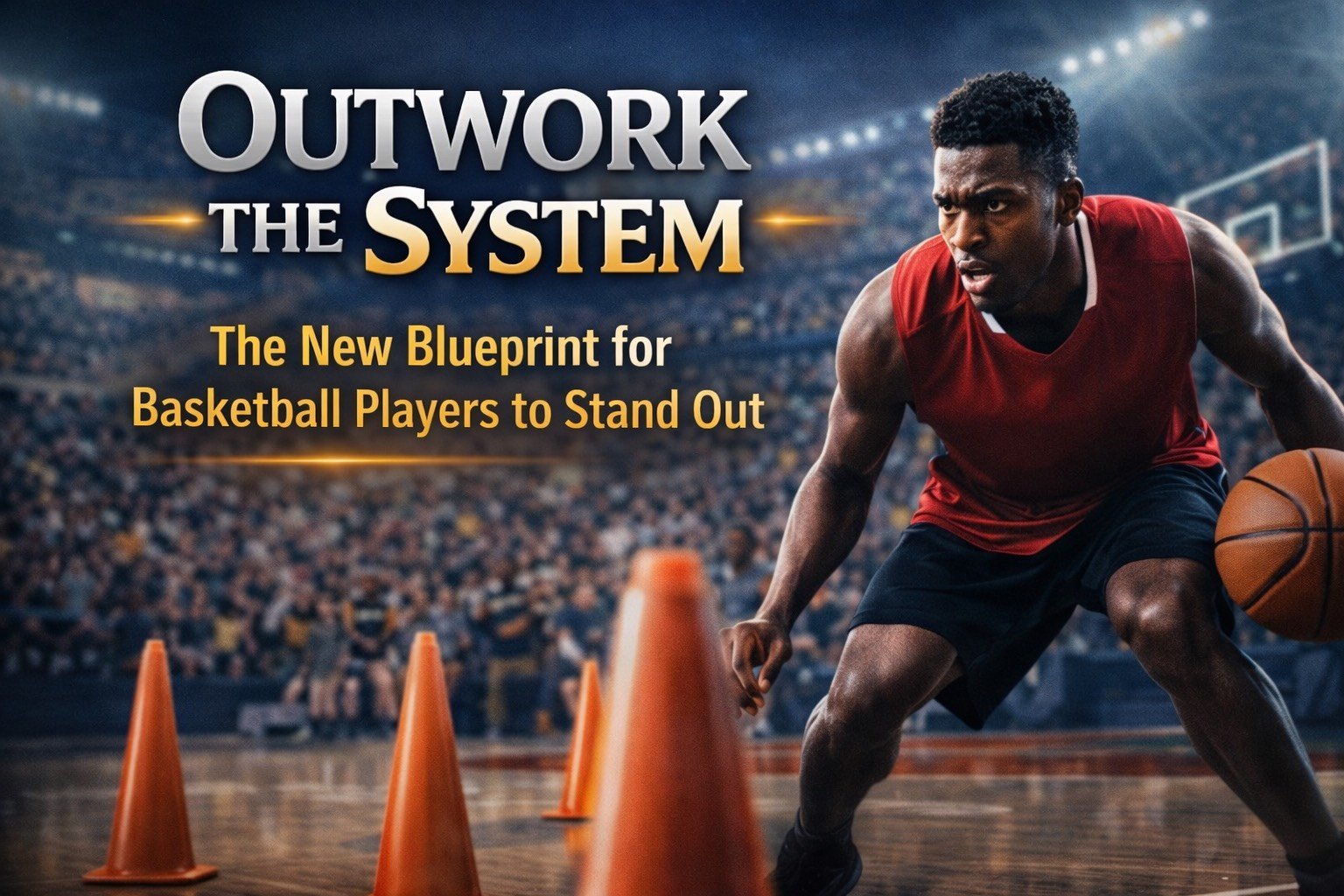
To succeed as a developing basketball player in today’s evolving game environment, apply the following advanced training principles: Recognize the increased competition level. Opportunities are more limited, so your training must go beyond basic drills. Focus on becoming game-ready, not just practice-ready. Prioritize efficiency and impact in your training. Structure sessions around high-value skills such…
-
Commanding the Game Elite Refereeing Through Control Clarity and Integrity
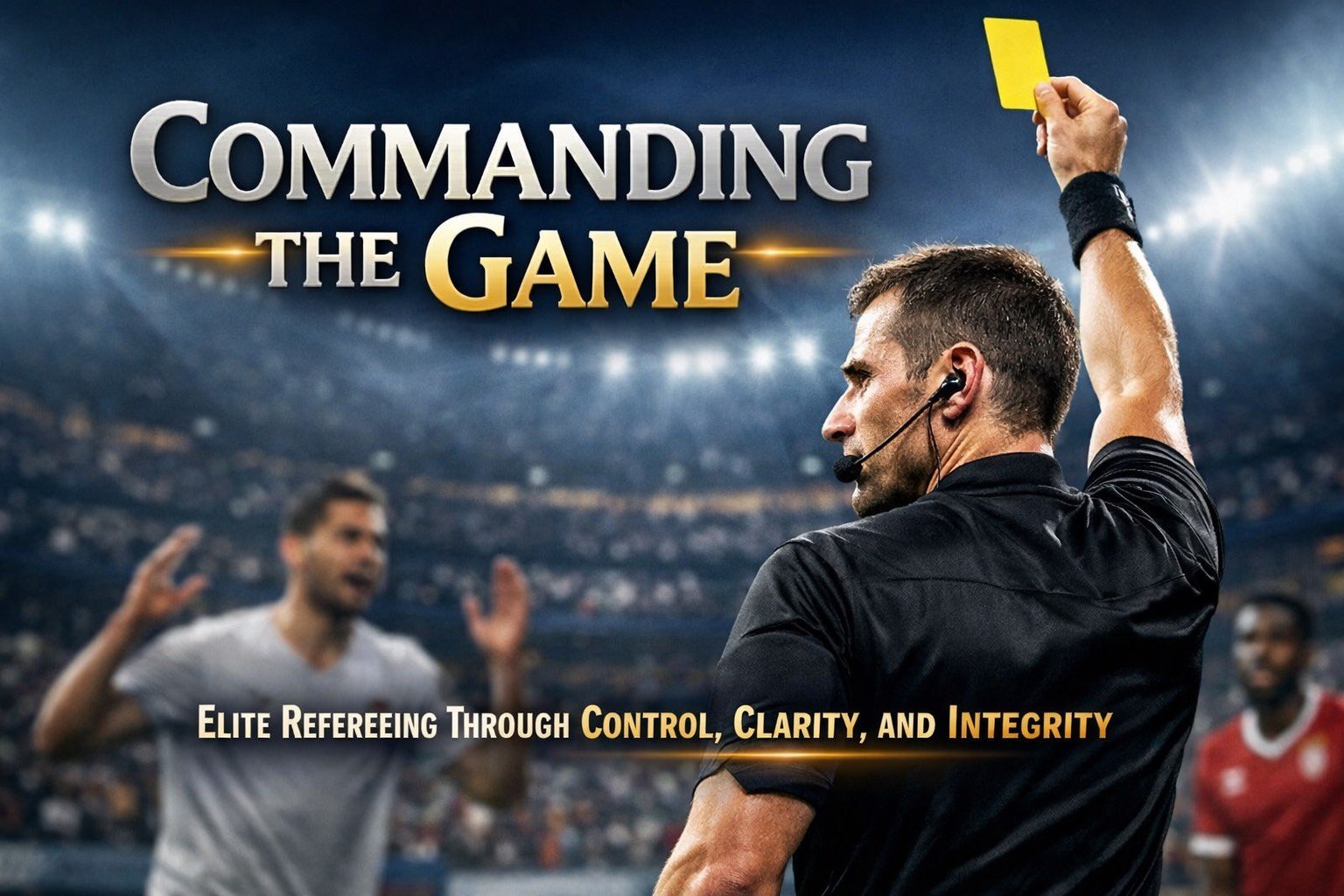
To perform at the highest level as a soccer referee, follow these professional instructions: Treat the match as a structured system that requires active control. Establish consistency in your decisions from the beginning, including foul recognition, advantage, and disciplinary actions, so players clearly understand the standard being applied. Enforce the laws of the game with…
-
Beyond Instinct The Rise of Engineered Moves in Badminton

A new generation of badminton tactics can be conceptualized by translating structured, multi-layered decision systems into on-court movement and shot design. Instead of relying purely on instinct or repetitive training patterns, this approach introduces deliberately engineered “intelligent plays” that combine prediction, controlled adaptation, and selective variation. The result is a set of innovative moves that…
-
A New Quantitative Approach to Hockey Strategy
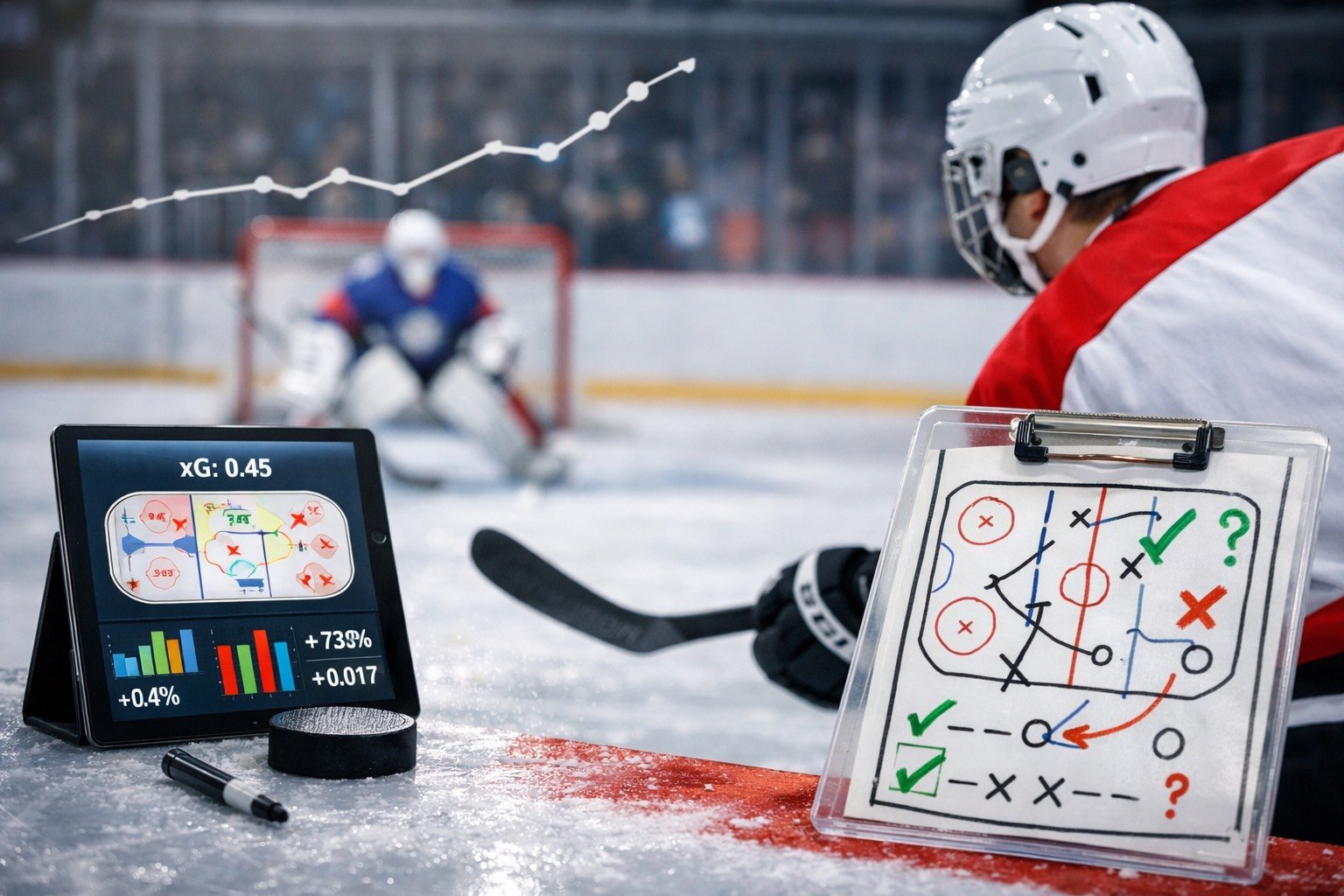
A new innovation in hockey is emerging from structured decision-making systems inspired by modern AI research. Instead of relying purely on instinct and continuous adjustment, this approach separates gameplay into clear components—awareness, planning, reflection, and selective revision—leading to more consistent and measurable performance. Key Quantitative Insights +24 percentage point increase in win rate compared to…
-
Anticipate Adjust Attack The Modern Volleyball Player

I make decisions based on what helps my team win the point, not just the easiest play. I read the ball, the blockers, and the defense before I act, choosing between power, placement, or control. I focus only on key cues. I track the setter’s hands, the ball’s trajectory, and the blockers’ positioning within a…