Insights & AI Analysis
CONNECT . PLAY . UNITE
-
How I became a better Referee

I position myself 3–5 meters from the primary action and adjust my angle to keep both the ball handler and defender within a 90° field of view. I avoid standing directly behind players and instead shift laterally by 1–2 steps to maintain a clear line of sight to contact. I focus on key indicators only.…
-
Precision Play Smart Positioning and Adaptive Control
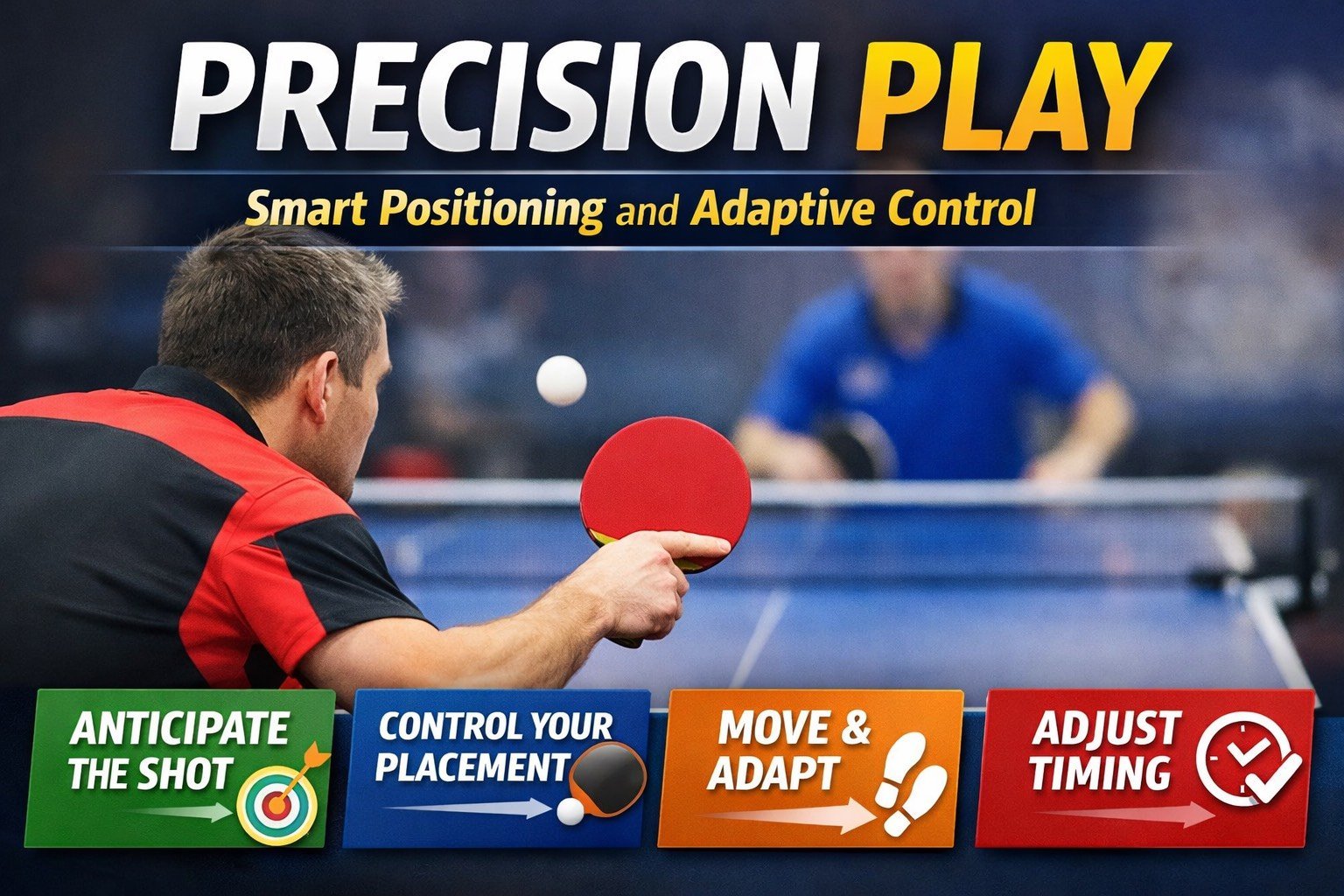
Focus on anticipating the ball rather than reacting to its current position. Track the opponent’s paddle angle and contact point to estimate the likely direction, speed, and spin of the incoming shot. Position yourself early so that you meet the ball slightly in front of your body, keeping your balance centered and your stance ready…
-
I Read First I Move First I Defend Everything
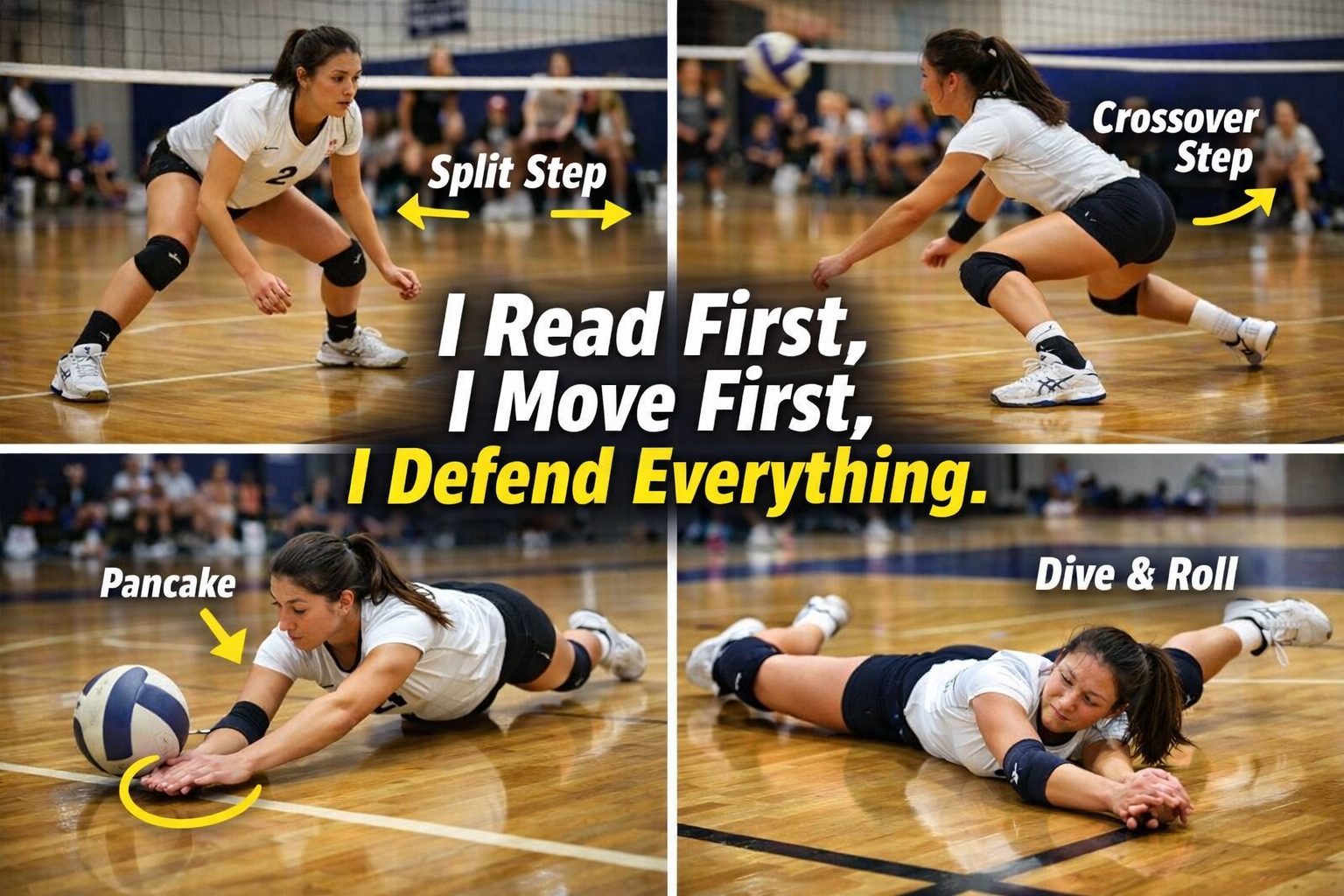
Treat every rally like something you organize before it starts. Before the serve, quickly identify the main attacker, the setter’s habits, and the most likely play. Pick your starting spot with purpose. Stay low, feet shoulder-width apart, weight forward, arms loose and ready. As the play develops, use quick adjustment steps instead of big movements.…
-
ReInvent Golf for Starters What Actually Matters

The Fairway Circle Method is a structured learning approach designed to help new golfers improve efficiently, think clearly, and build consistency from the start. It focuses on gathering experience, evaluating performance, and organizing knowledge into a repeatable system. Begin with broad exposure. Spend time practicing different aspects of the game—driving, iron play, chipping, and putting.…
-
Precision Sweep Officiating
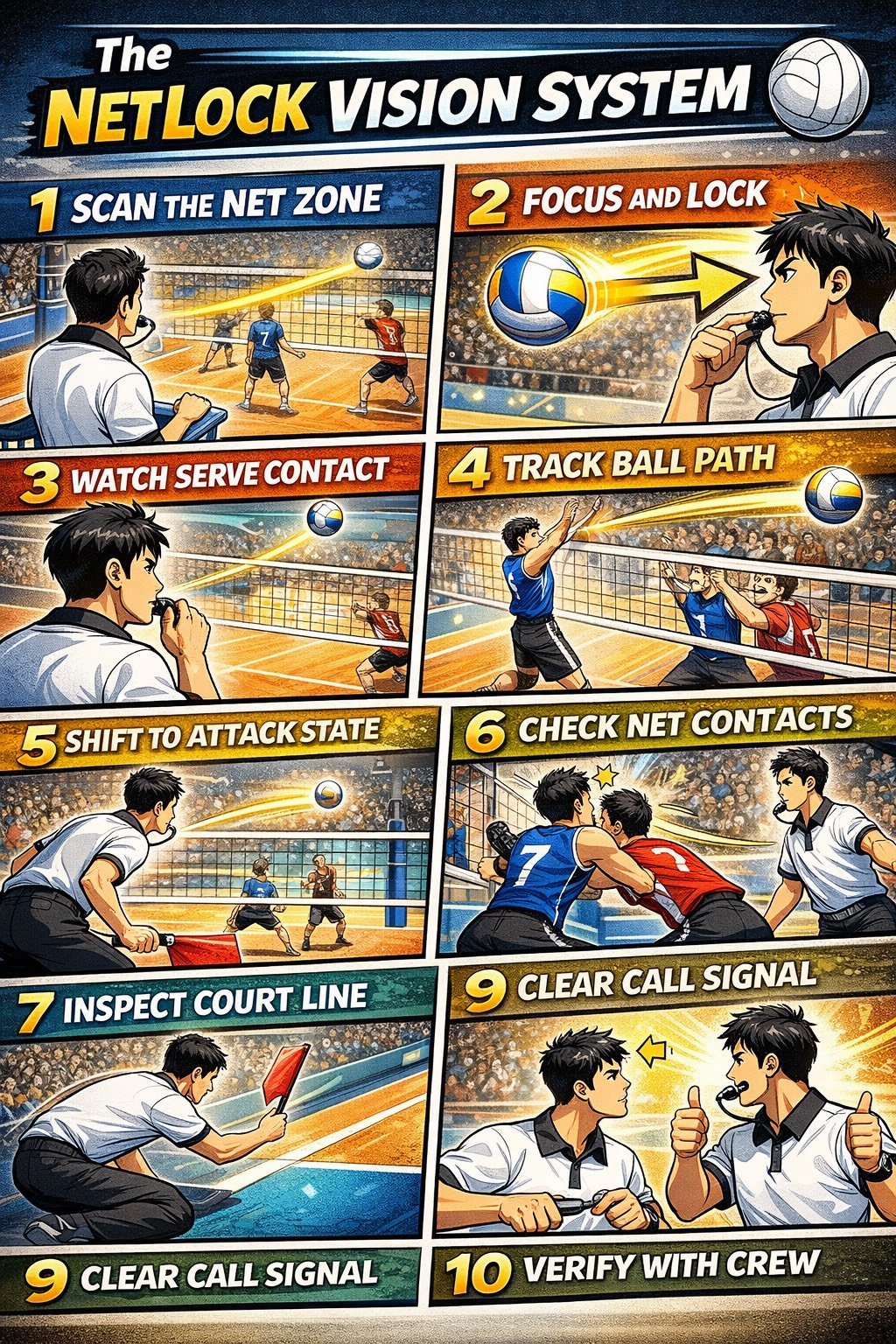
The Anchor Sweep Protocol is a structured officiating approach designed to improve consistency, clarity, and decision accuracy in volleyball. It enables referees to process fast-paced rallies efficiently while minimizing missed or duplicated judgments. The method begins with establishing an anchor focus point. For the first referee, this is typically the net zone—where the majority of…
-
How The Split-Flow Efficiency Move Works

The Split-Flow Efficiency Move is a modern basketball technique built around minimal motion, maximum impact. It is designed for guards and playmakers who rely on sharp reads, quick execution, and precise control rather than excessive dribbling or complex sequences. Step 1: Flow Compression (Set-Up) The player begins by tightening their movement into a compact, controlled…
-
How Split-Flow Efficiency Move Play works
The Split-Flow Efficiency Move is a modern basketball technique built around minimal motion, maximum impact. It is designed for guards and playmakers who rely on sharp reads, quick execution, and precise control rather than excessive dribbling or complex sequences. Step 1: Flow Compression (Set-Up) The player begins by tightening their movement into a compact, controlled…
-
Sequential Tempo Disruption Play
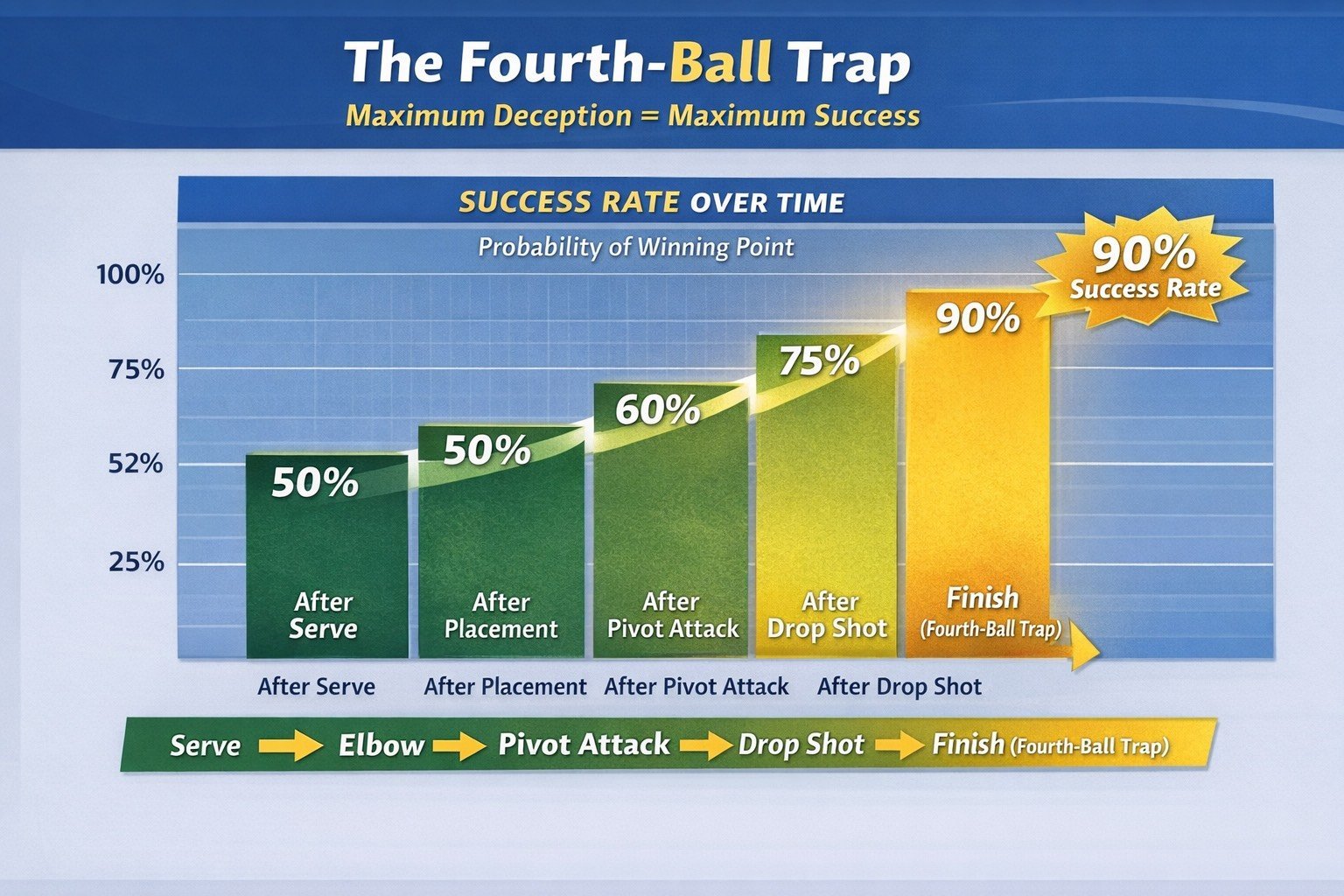
A new, legal tactical play can be designed as a structured sequence that combines deception, forced positioning, and rapid pattern switching, executed as a repeatable “signature play” rather than a single trick. The objective is to manipulate the opponent’s expectations across three consecutive shots and then break the pattern at the fourth. Begin the play…
-
Sequential Tempo Disruption Play
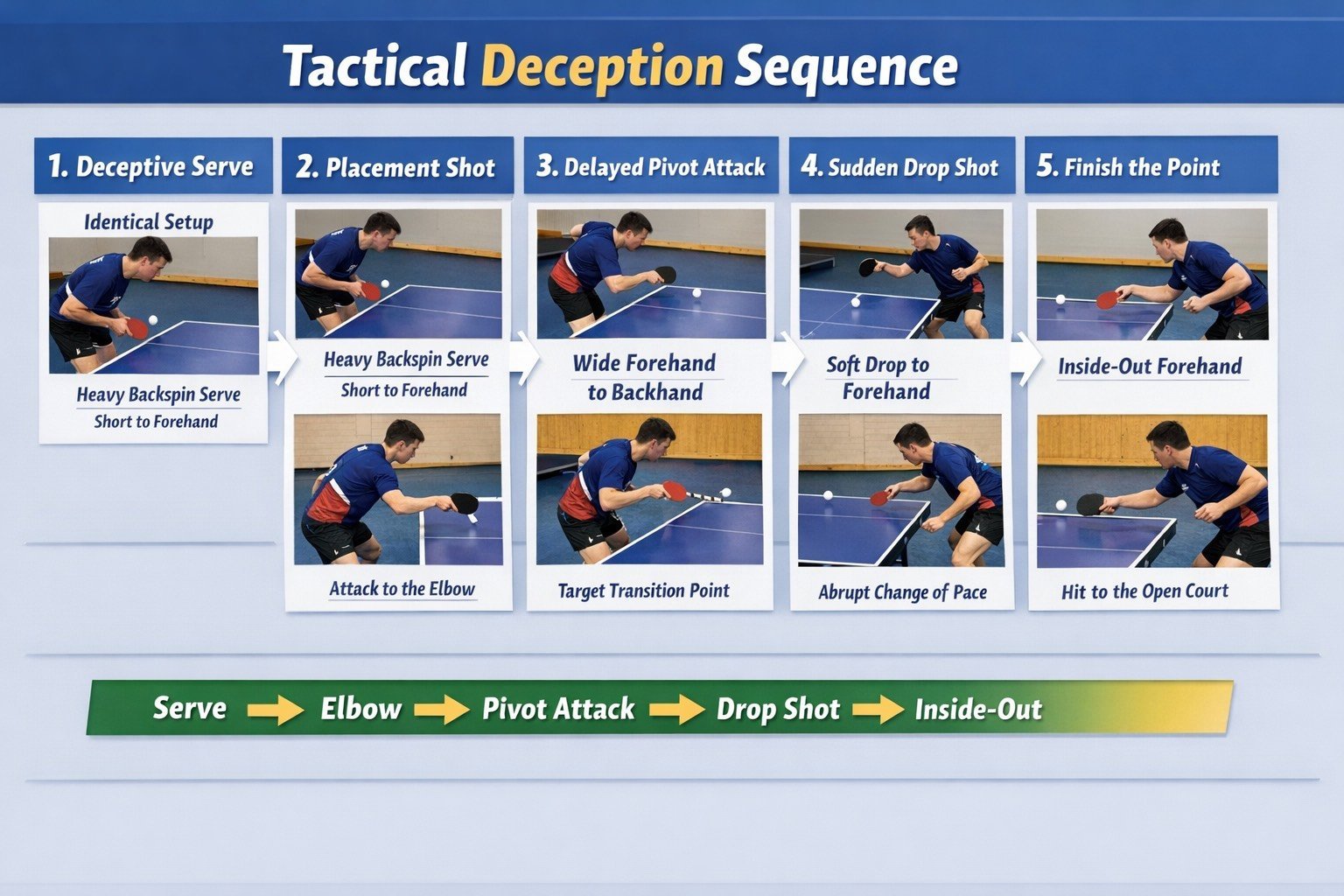
A new, legal tactical play can be designed as a structured sequence that combines deception, forced positioning, and rapid pattern switching, executed as a repeatable “signature play” rather than a single trick. The objective is to manipulate the opponent’s expectations across three consecutive shots and then break the pattern at the fourth. Begin the play…
-
Precision Over Depth A New Philosophy in Chess Thinking

For decades, chess has been associated with deep calculation — long variations, endless possibilities, and the belief that the more you analyze, the better your move becomes. But what if that assumption isn’t entirely true? Consider a different perspective. In many positions, strong players often arrive at the right move quickly. Their intuition, built from…