Insights & AI Analysis
CONNECT . PLAY . UNITE
-
Evaluating Baseball Strategy and Player Decisions A Coachs Perspective
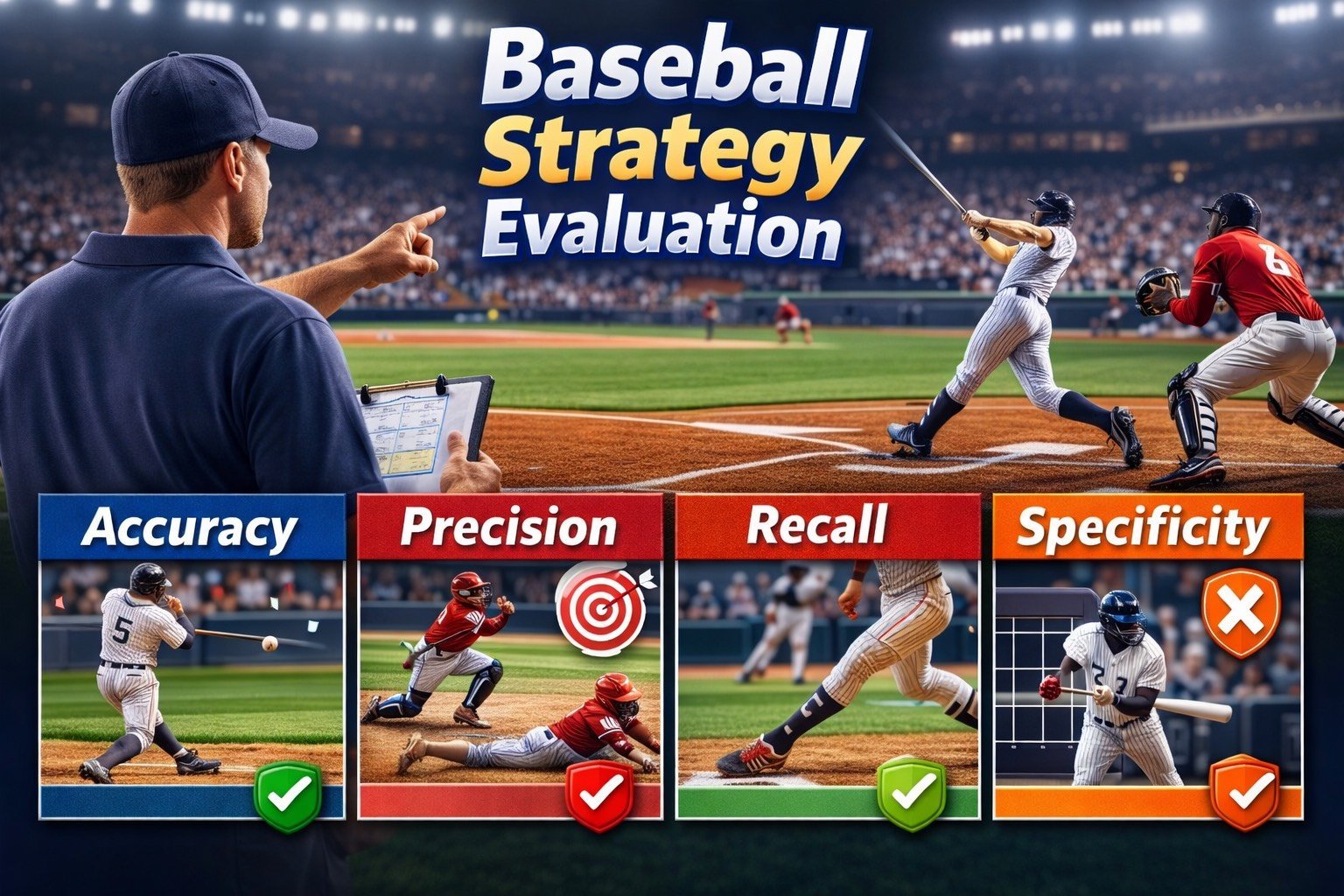
In baseball, performance is shaped not only by physical skill but by strategic execution and in-game decision-making. Coaches design offensive and defensive systems—such as pitch selection, base running strategies, and situational hitting. To evaluate how effectively players follow and execute these strategies, four key metrics can be applied: accuracy, precision, recall, and specificity. Accuracy measures…
-
Evaluating Volleyball Performance Based on Coaching Decisions and Play Models
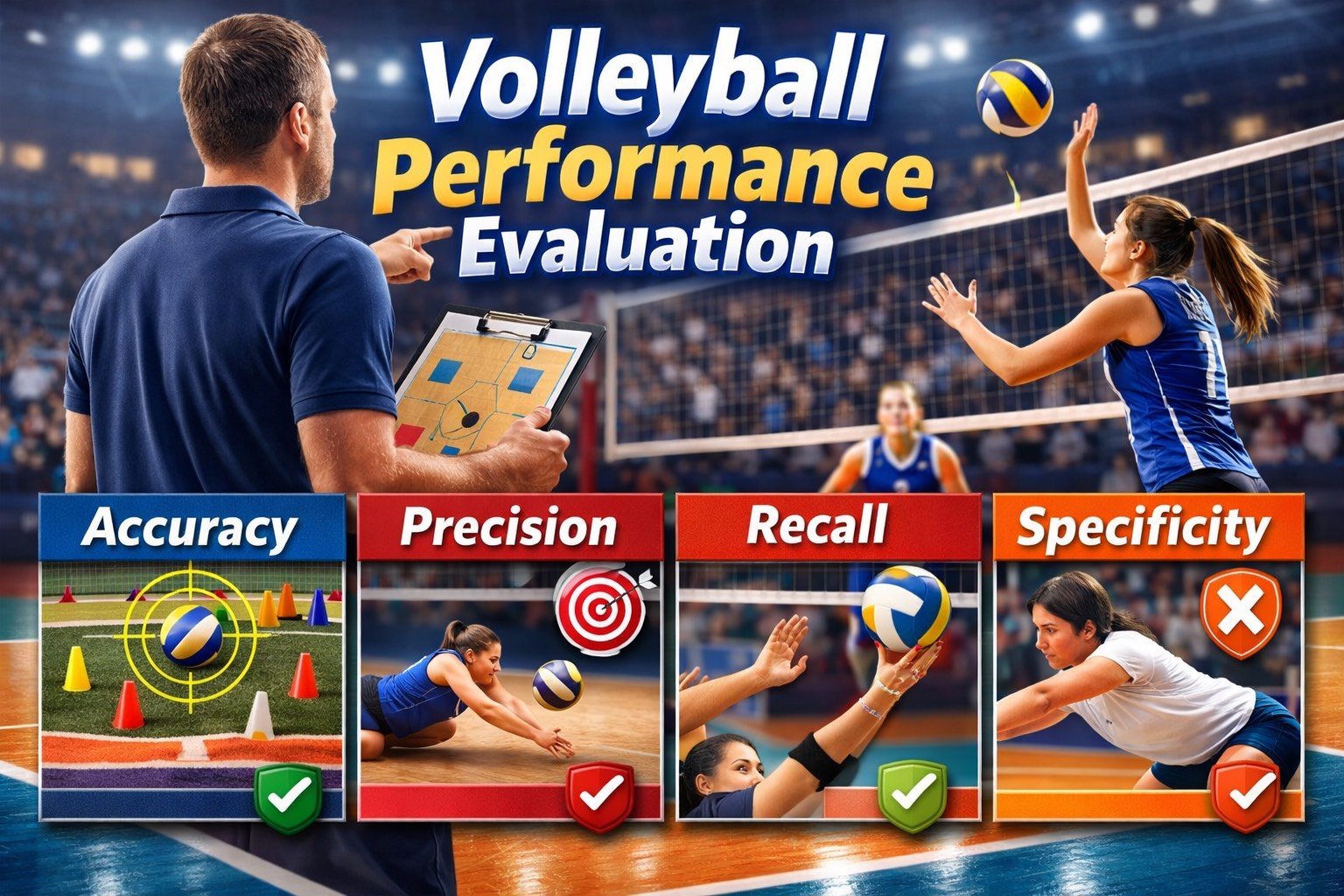
In competitive volleyball, performance is not only a result of player execution but also of coaching decisions and structured play models. Coaches design systems—such as serve strategies, attack patterns, and defensive schemes—that guide how players act in specific situations. To evaluate how well these systems are followed and executed, four key metrics can be applied:…
-
Simple Way to Think About Performance Consistency
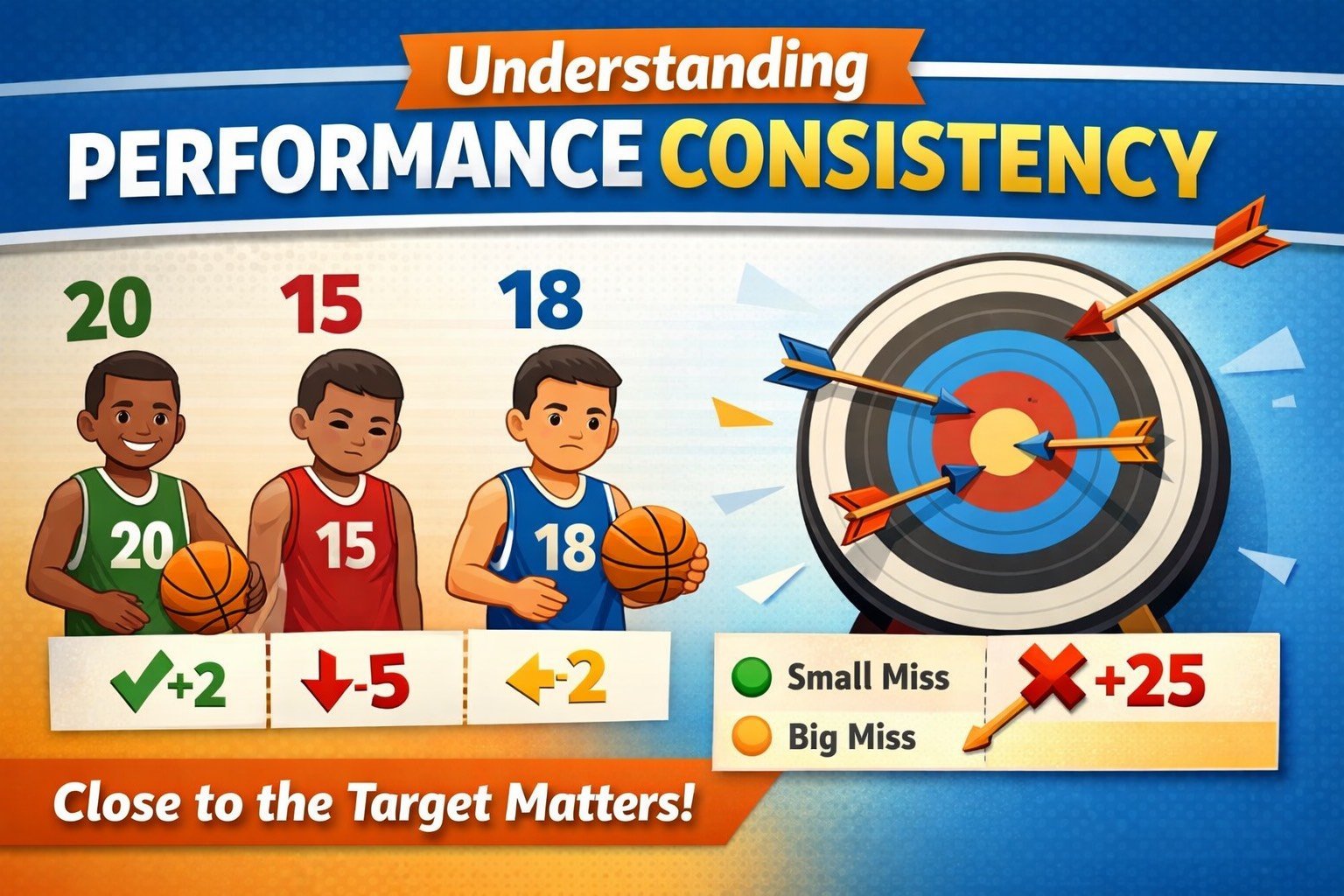
I wanted to share a straightforward way I think about performance consistency using a basketball-style example. During practice, each of us has a clear target: Player A: 20 points Player B: 15 points Me: 18 points After the session, the results are: Player A scores 22 → 2 above target Player B scores 10 →…
-
Reading the Game How I Use Consistency Metrics as a Hockey Referee
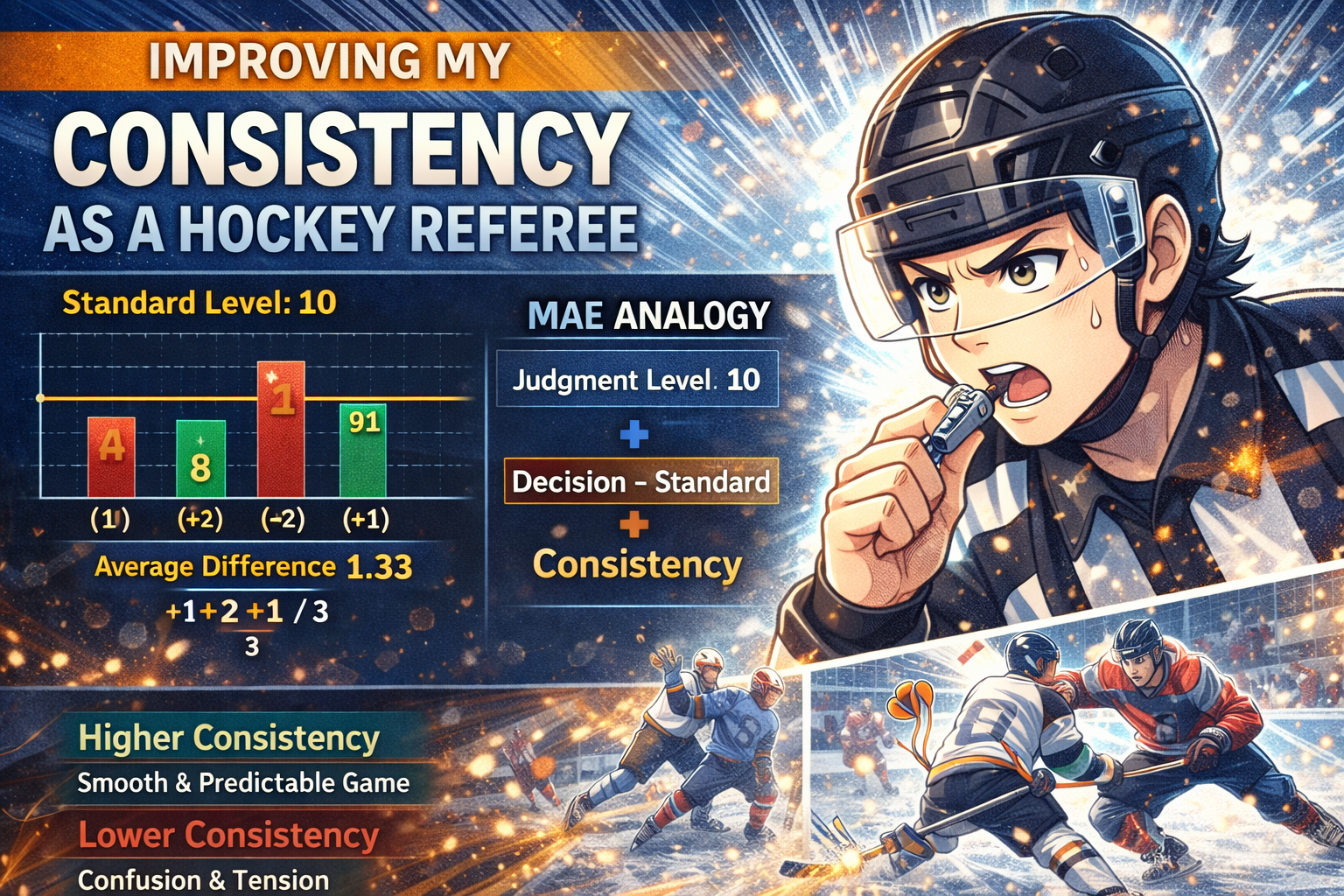
When people watch a hockey game, they focus on speed, skill, and physical play. From where I stand as a referee, the game looks different. My performance isn’t measured by highlights — it’s measured by how consistent my decisions are over 60 minutes. In a typical game, I’m involved in 40 to 70 judgment situations.…
-
Consistency Under Pressure What Real Matches Reveal About Effective Darts Strategy

In professional darts, winning is rarely about a single perfect moment. More often, matches are decided by how consistently a player performs across every visit to the board. While highlight moments like 180s and big checkouts draw attention, the underlying factor in most victories is steady, repeatable scoring. A useful way to understand this is…
-
From Beginner to Better My First Lessons in Badminton

When I first started playing badminton, I assumed the game was all about speed and strength. I would rush across the court, trying to hit every shot with as much power as possible. At the time, it felt like the right approach—but I quickly realized how exhausting and ineffective it was. As a beginner, I…
-
Consistency Wins Games A Practical Framework for Reducing Mistakes in Chess
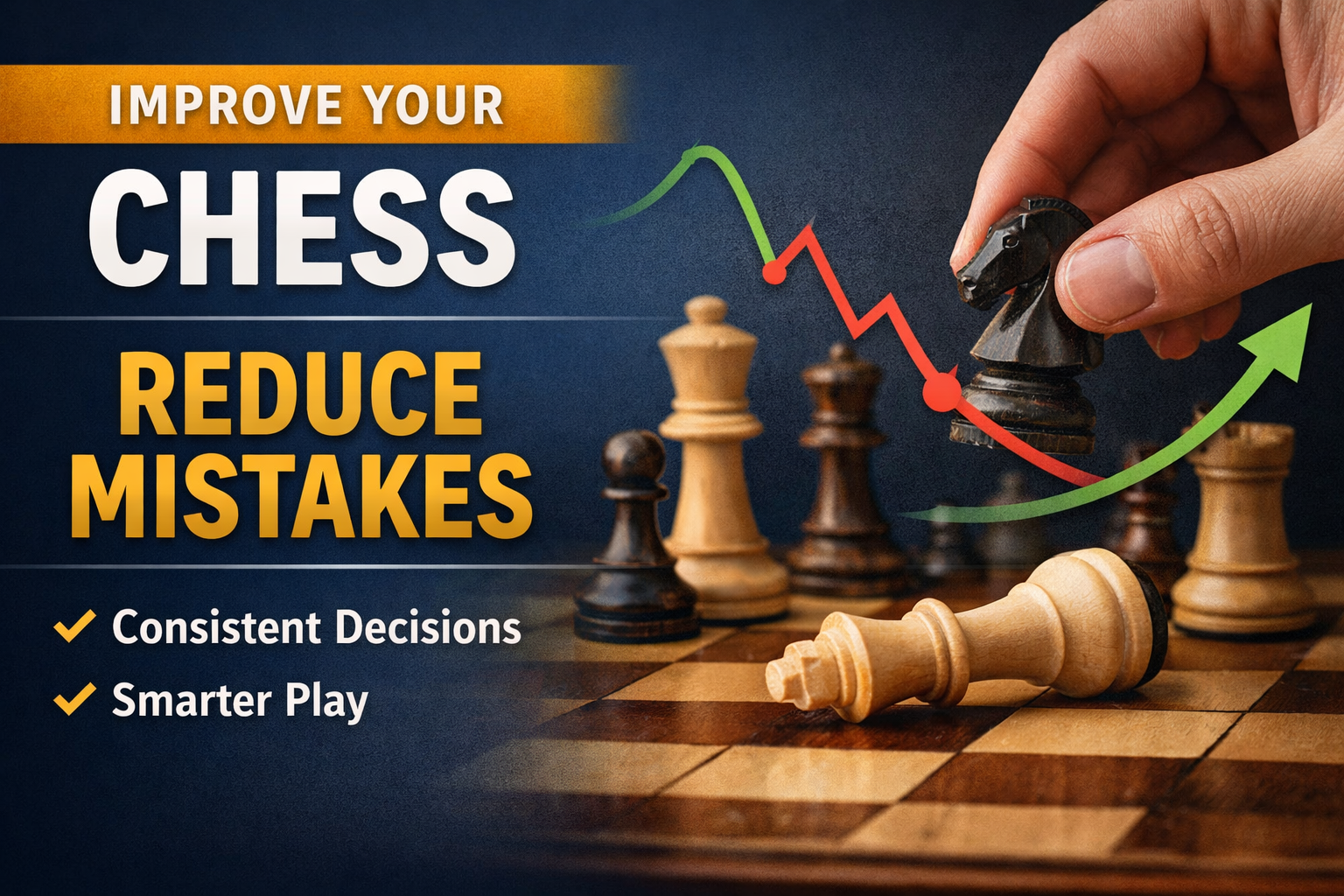
In competitive chess, the difference between strong and average players is rarely a single brilliant move. More often, it comes down to how consistently a player avoids small mistakes throughout the game. While spectacular tactics attract attention, long-term success is built on disciplined decision-making. A useful way to approach improvement is by focusing on decision…
-
How I Evaluate Player Decisions as a Basketball Coach Using Measurable Standards
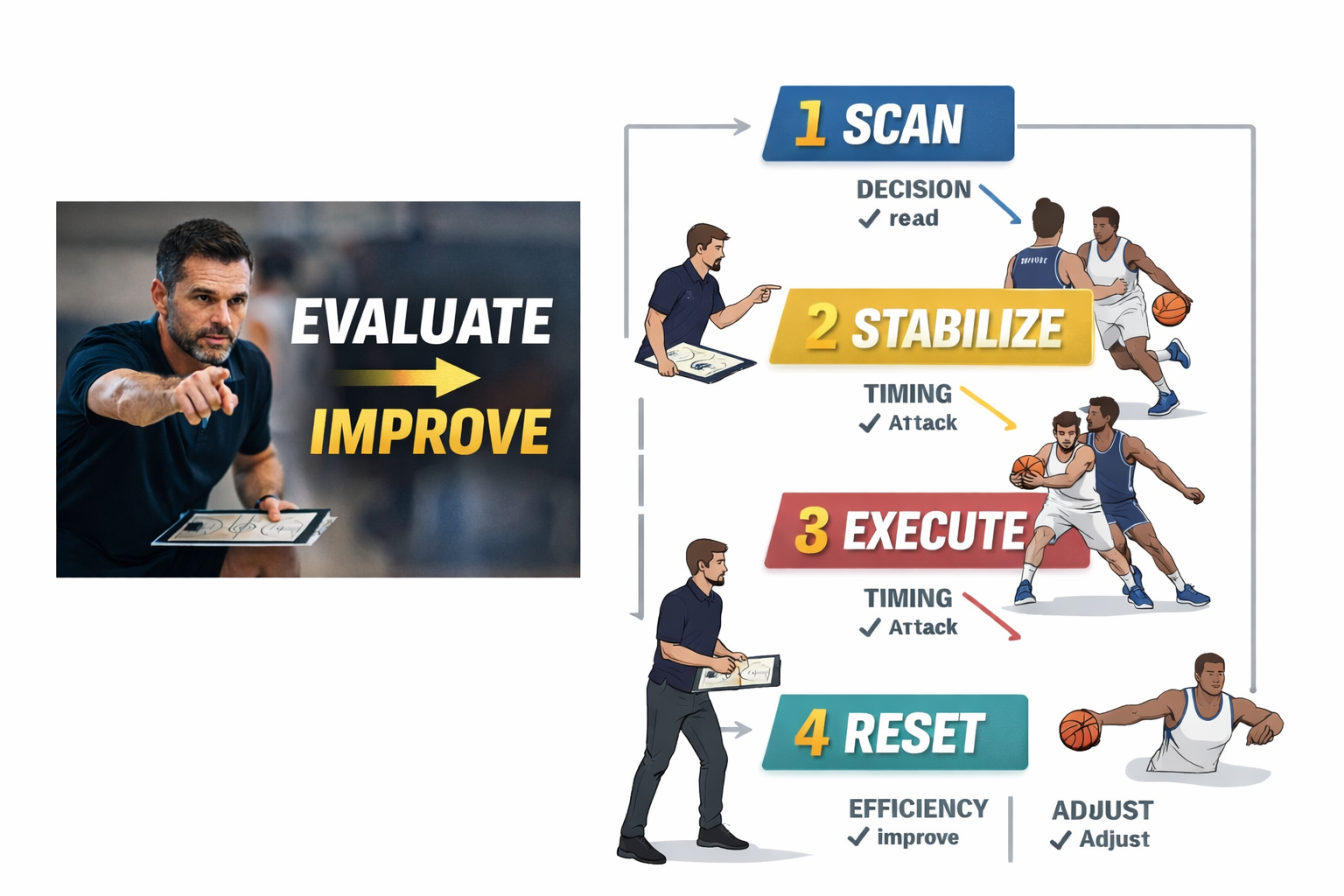
As a coach, I don’t judge players only by whether they score or miss. I evaluate how close their decisions are to the right decision in each situation. Over the course of a game, small decision errors add up and directly impact performance. Instead of guessing, I use simple measurable standards to track and improve…
-
I Control Every Possession With a 4-Step Basketball System

I don’t rely on instinct alone when I play. I follow a structured system that helps me make faster, smarter decisions in every possession. Instead of reacting randomly, I move through four clear phases: scan, stabilize, execute, and reset. This system allows me to reduce turnovers, improve timing, and create consistent scoring opportunities. Step 1:…
-
I Control the Game With a 4-Phase Decision System

I don’t rely on instinct alone when I play. I follow a structured decision system that helps me stay in control regardless of pressure, pace, or unpredictability. Every action I take falls into one of four phases: scan, stabilize, execute, or reset. This system allows me to reduce mistakes, improve timing, and consistently create advantages…