Insights & AI Analysis
CONNECT . PLAY . UNITE
-
ADAPT OR BUST THE NEW ERA OF DARTS
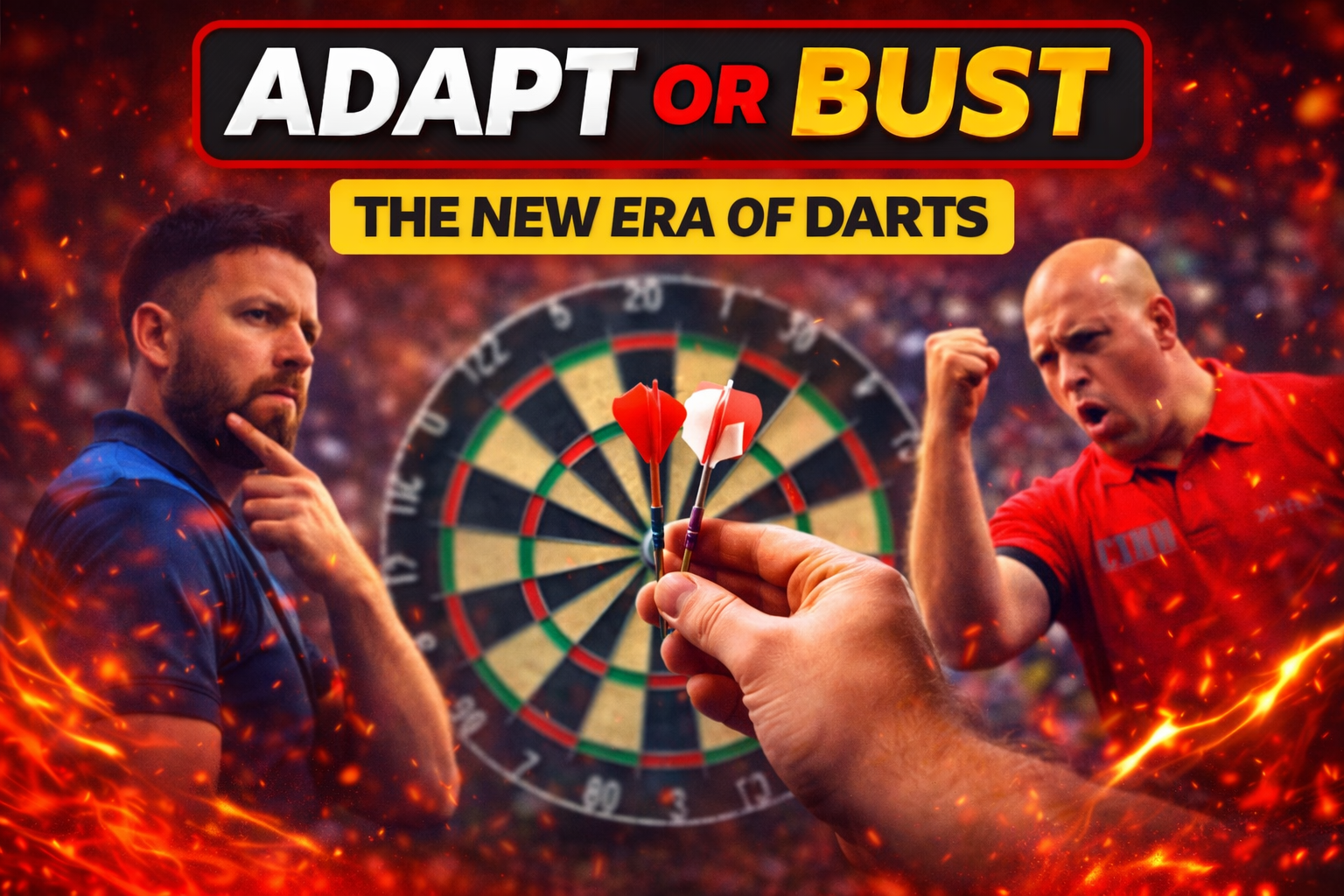
Darts doesn’t look the same anymore. What used to be a simple test of accuracy has quietly turned into something far more complex. The modern game isn’t just about hitting big numbers or clean finishes — it’s about reading situations, managing pressure, and making the right decision at the right moment. Watch any top-level match…
-
Press to Impress How Modern Football Wins the Ball Back

In modern football, one of the most effective tactical systems is the high press — a strategy built on intensity, coordination, and quick recovery. Teams like Liverpool FC under Jürgen Klopp have turned this into a defining identity. At its core, the high press is about disrupting the opponent as early as possible. Instead of…
-
Playing the Next Shot Before It Exists
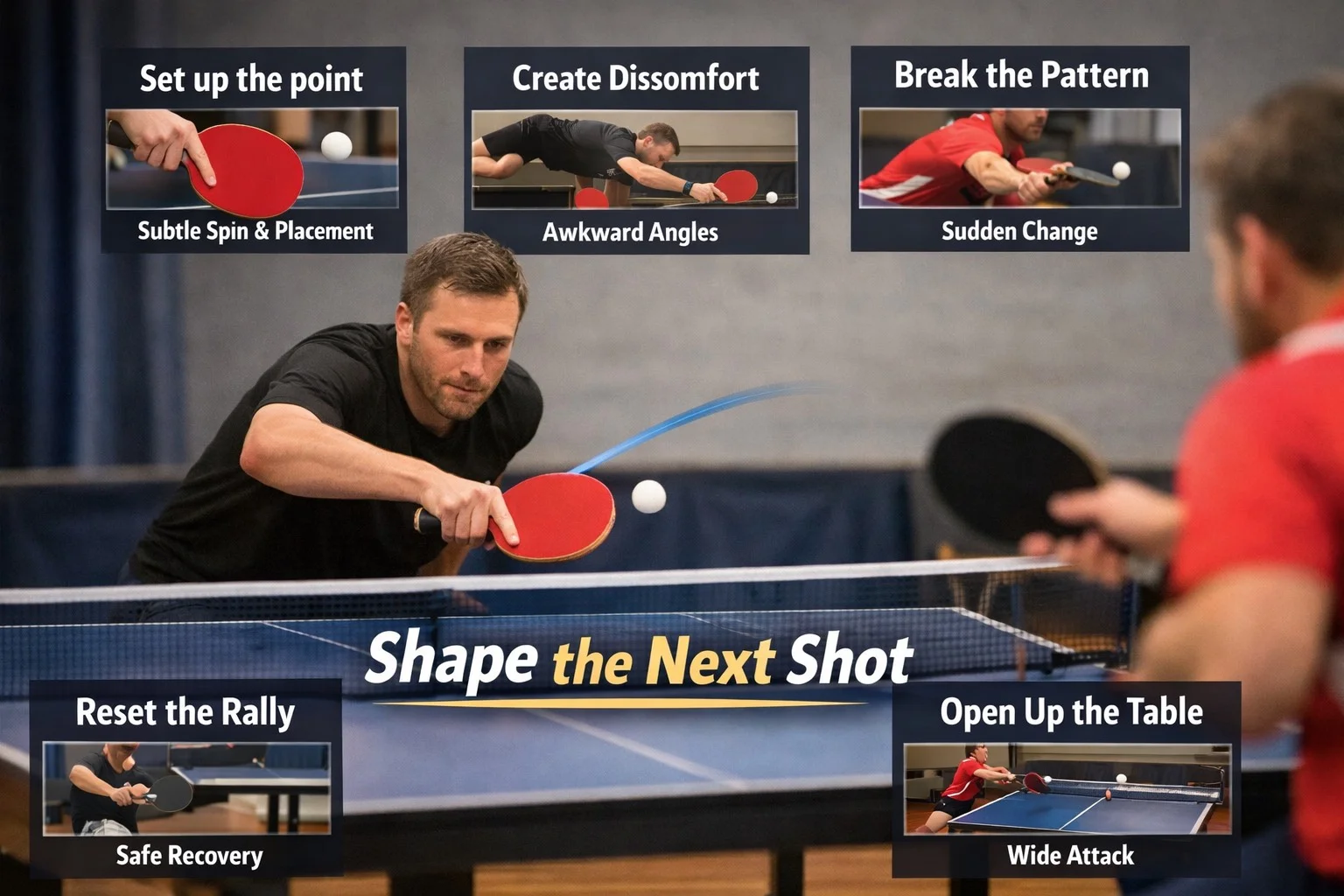
You don’t win in table tennis by trying to end every point. The better players shape rallies before they finish them. That’s the first shift: stop asking “how do I win now?” and start asking “what shot makes the next one easy?” A useful tactic is to play what looks like a neutral ball, but…
-
Why the Best Teams Dont Just Hire Stars
Building a great team isn’t just about finding the best players. It’s about finding the right players, in the right roles, at the right time. That’s the idea behind TalentPlay—a football-inspired way to understand modern hiring. Every team is built in layers. At the top, you have the playmakers—the ones closest to the goal. They…
-
Win Small Win Big The Hidden Tactics of Football
Most teams chase goals. EdgePlay builds them. Instead of relying on one perfect moment, this approach focuses on stacking small advantages—pass by pass, movement by movement—until the game naturally shifts in your favor. Here’s how that looks in action. The first principle is simple: always create options. Good teams never leave a player isolated. Every…
-
The Game of Two Minds
Most basketball teams lean toward one style. Some play smart and structured—reading the game, planning every move. Others rely on speed—reacting instantly, pushing the pace, taking quick chances. But each approach has a weakness. Planning too much can slow you down. Reacting too fast can lead to mistakes. DualMind is built on a simple idea:…
-
He Didnt Train HarderHe Trained Smarter
The court looked normal. Blue surface. White lines. Quiet air. But this wasn’t a normal training session. “Today, you’re not just playing,” the coach said, holding a tablet filled with strange court patterns. “You’re going to experience every version of the game.” The player frowned. “Every version?” The first ball came fast. Then suddenly—the wind…
-
Why the Best Strategy Isnt the Same for Everyone
In tennis, there’s no team to rely on. No formation to fall back on. No system that stays the same. Every match is personal. Most players are taught a fixed way to play. Hit deep. Stay consistent. Control the rally. But in reality, no two players are the same. One prefers long rallies. Another plays…
-
Why the Best Players See Things You Dont
In football, the most valuable moments are not the obvious ones. They are the ones that are discovered. A match can feel structured and predictable. Players hold their positions, passes move side to side, and everything seems under control. But within that order, small opportunities are constantly appearing and disappearing. A defender steps slightly too…
-
Balancing Strategy and Instinct in Modern Sports
In today’s competitive sports landscape, success is rarely the result of a single approach. Teams that rely only on long-term planning may struggle to react in fast-changing situations, while those that depend purely on instinct can lack consistency over time. The most effective strategies often come from blending both foresight and quick decision-making. Consider a…